

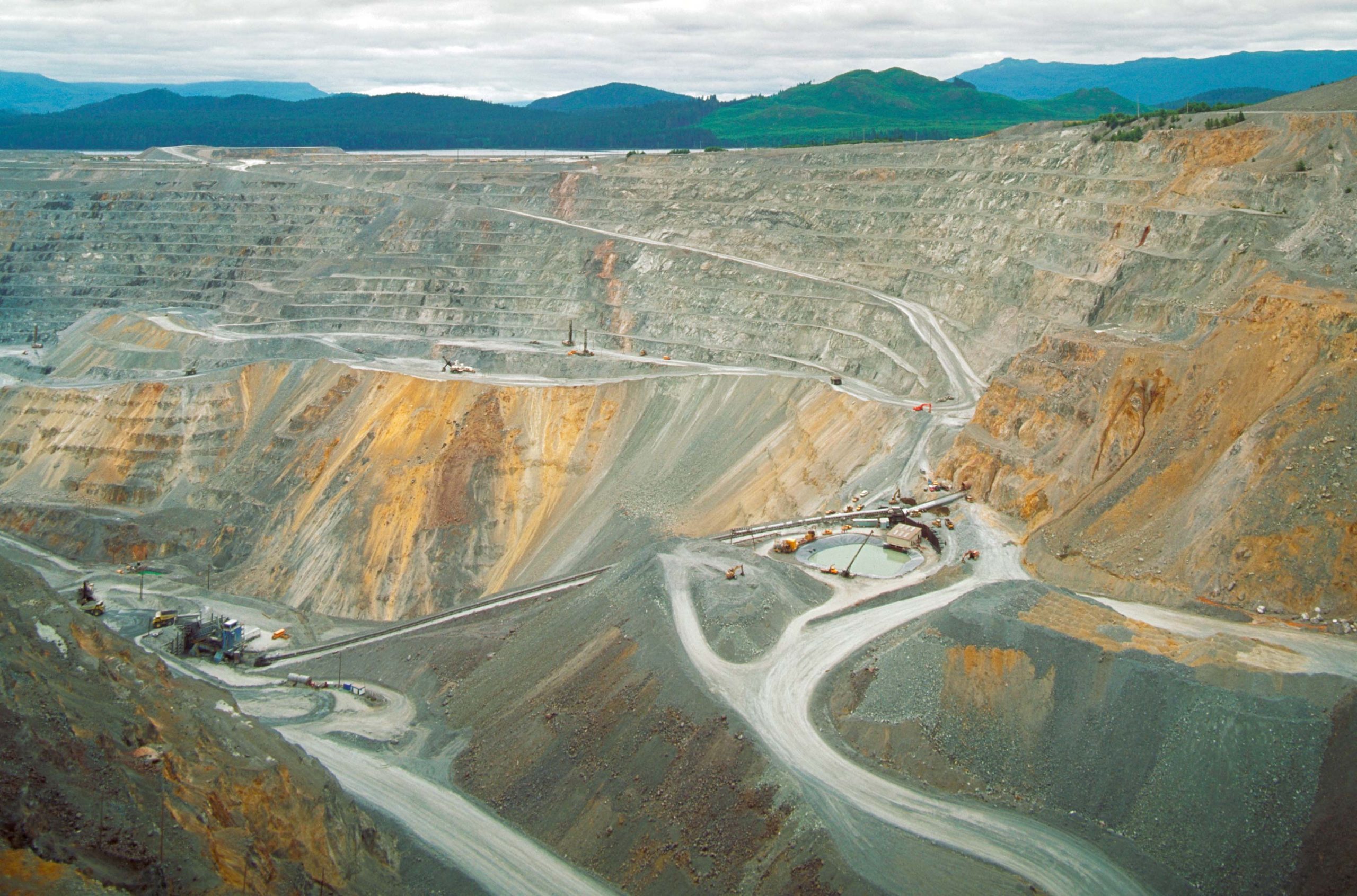
ISO 24419-1: Sustainable Mine Closure and Legacy Remediation for Long-Term Value
Mining remains essential to modern economies, supplying raw materials for infrastructure, clean energy, technology and healthcare. Yet many historic mining operations have left behind environmental damage, unsafe structures and long-term social impacts.
Abandoned shafts, polluted waterways, unstable tailings areas and degraded land continue to affect communities long after extraction ends. These legacy issues create risks for public health, local livelihoods and environmental recovery.
ISO 24419-1 provides a practical framework for managing mine closure and remediation in a structured, transparent and sustainable way.
What ISO 24419-1 Covers
ISO 24419-1 helps organizations manage mining legacies through a full life-cycle approach, including:
- Closure planning and remediation strategy
- Environmental and safety risk assessment
- Governance and accountability
- Stakeholder and community engagement
- Long-term monitoring and stewardship
- Restoration of land and ecosystems
- Alignment with sustainability goals
Rather than focusing only on damage control, the standard supports recovery, trust-building and future value creation.
Real Example: Peru’s Caridad Project
A strong example of practical implementation comes from Peru, where a major remediation initiative addressed 91 abandoned mining legacy sites in the Carampoma region.
The area had faced years of pollution affecting the Canchis lagoon and waterways connected to Lima’s water supply.
Using the ISO 24419-1 framework, the project achieved:
- Closure of 90 out of 91 legacy mining sites
- Restoration of 16 hectares of lagoon ecosystem
- Installation of drainage and water treatment systems
- Reduction of acidity and heavy metal contamination
- Replanting native high-altitude vegetation
- Training and employment opportunities for local residents
This demonstrates how structured standards can transform liabilities into long-term community and environmental benefits.
Key Business Benefits of ISO 24419-1
Organizations using ISO 24419-1 can gain major advantages:
1. Reduced Environmental Risk
Manage contamination, erosion, water pollution and unsafe infrastructure systematically.
2. Stronger Social Licence to Operate
Build trust with communities, regulators and stakeholders through transparent engagement.
3. Better Governance
Create clear responsibilities, documented decisions and accountable remediation processes.
4. Lower Long-Term Liability
Reduce future legal, financial and reputational risks linked to abandoned sites.
5. ESG and Sustainability Performance
Support environmental, social and governance commitments with measurable action.
6. Replicable Best Practice
Use an internationally recognized framework across multiple sites and countries.
Why This Standard Matters Now
Global demand for critical minerals is increasing rapidly. Governments, investors and communities now expect mining companies to manage the full life cycle of operations — including what happens after closure.
ISO 24419-1 helps organizations move from reactive clean-up to proactive, strategic legacy management.
Build a Professional Mine Closure Toolkit
If your organization is preparing for responsible mine closure, legacy remediation or ESG improvement, a professional ISO 24419-1 toolkit can accelerate implementation through ready-to-use templates, procedures, registers and planning tools.
Visit standard-toolkits.org to access practical ISO management system toolkits for faster compliance and stronger results.